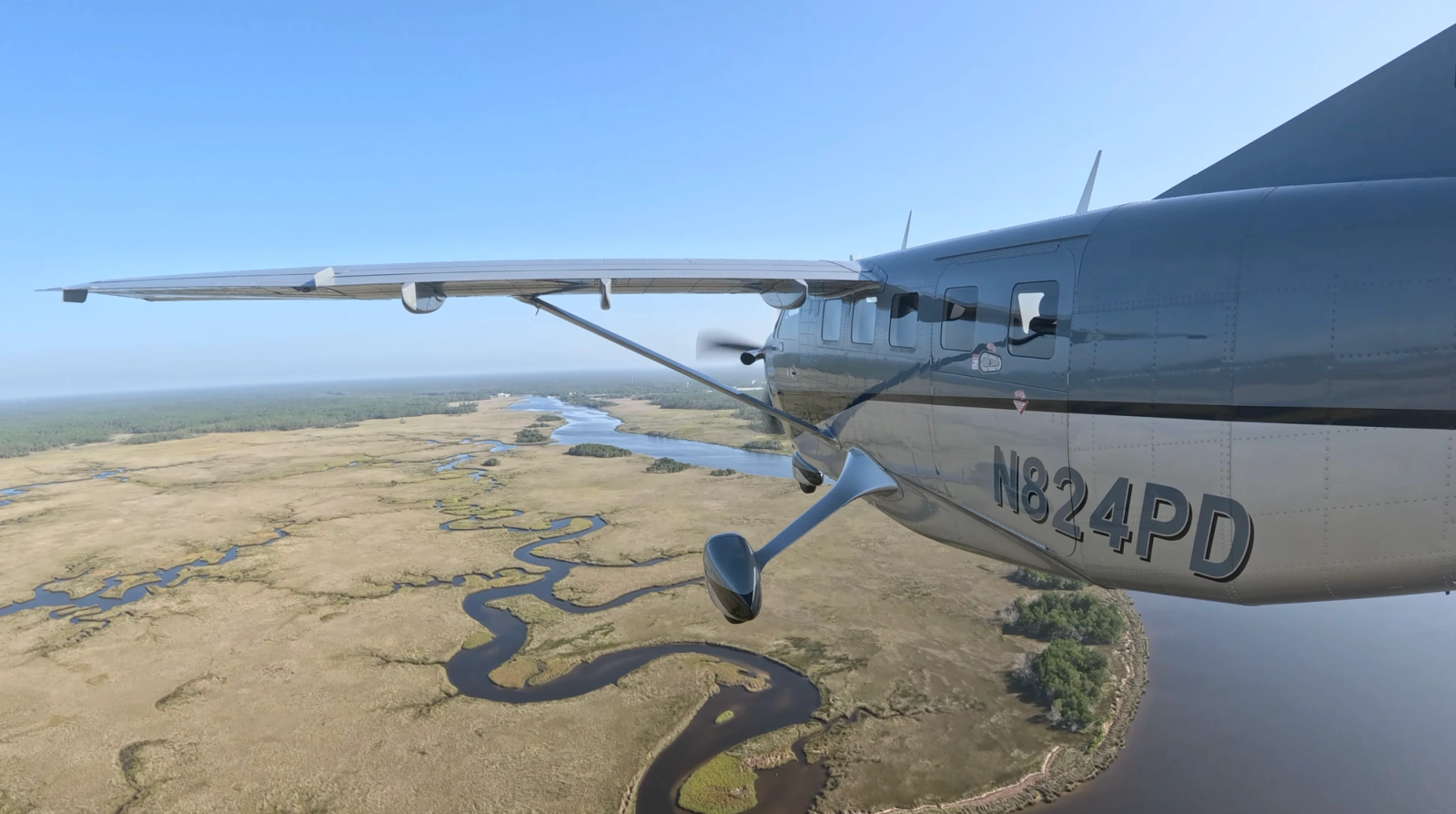
We recently took a Kodiak 900 from Tallahassee, Florida, up to Knoxville, Tennessee, to drop off one of our pilots who was picking up another Kodiak for maintenance.
Along the way, Jeff walked us through some of the things that make the Kodiak 900 an interesting airplane, particularly when it comes to speed, fuel burn, useful load, and how it compares to the Kodiak 100.
Here’s what we saw during the flight.
How Fast Is the Kodiak 900, and How Much Fuel Does It Burn?
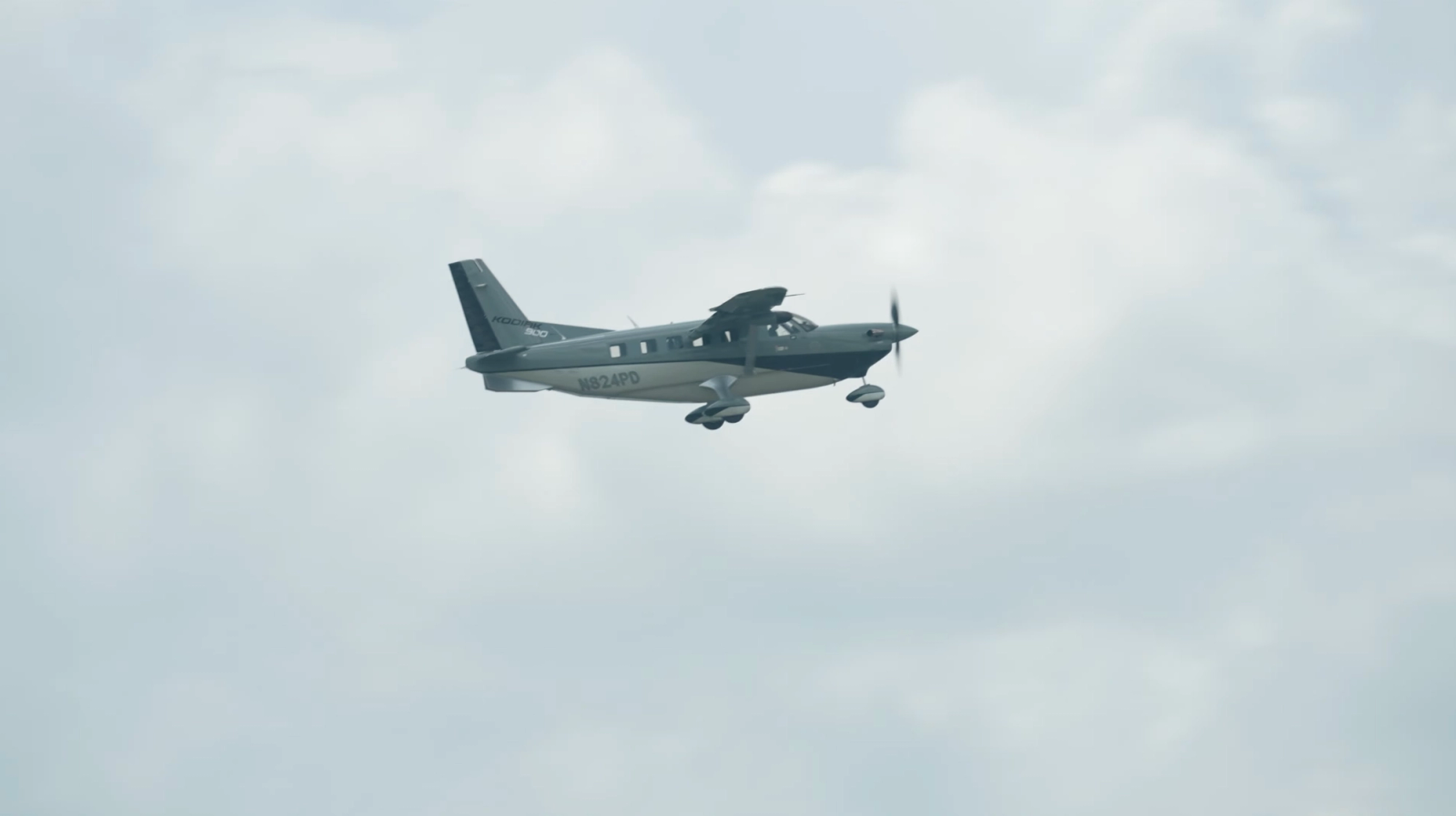
At 11,000 feet, we were cruising at 201 knots true airspeed and burning about 375 pounds of fuel per hour, or roughly 55 gallons per hour.
That’s a good example of what the Kodiak 900 can do in cruise, although those numbers will change depending on altitude, weight, weather, and power settings.
With approximately 320 gallons of fuel, the airplane has the ability to cover some serious distance. Jeff estimated we could fly close to 1,000 nautical miles while maintaining an appropriate IFR fuel reserve under the conditions we were seeing.
Of course, actual range depends on the conditions and how you’re operating the airplane.
How Much Can the Kodiak 900 Carry?
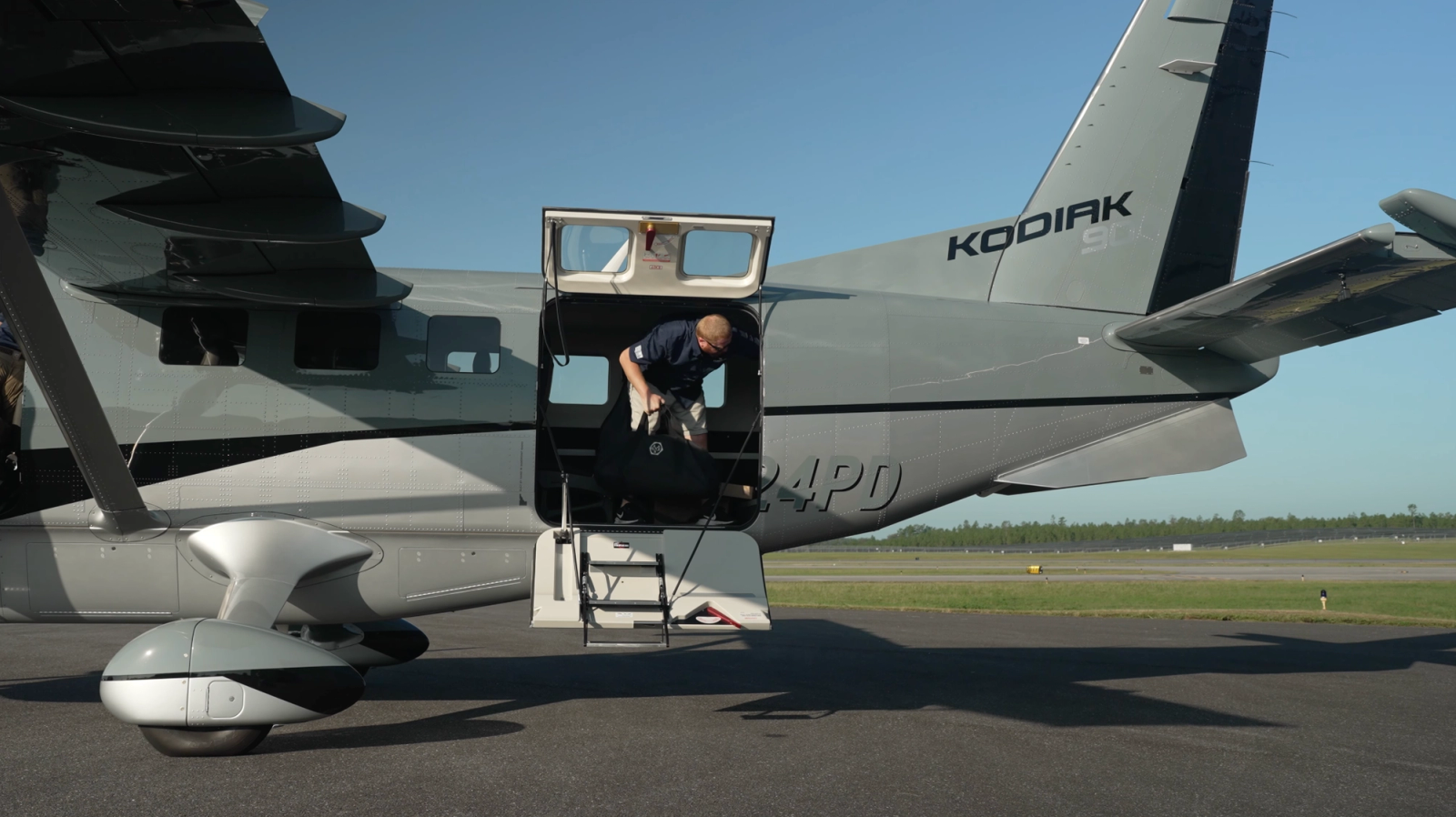
One thing Jeff pointed out during the flight was how much flexibility we had with weight.
We departed with full fuel and still had almost 1,200 pounds of payload available.
That matters because travel plans don’t always stay the same. Someone decides to come along at the last minute, there’s more luggage than expected, or you need to carry additional fuel because of weather.
Having that extra flexibility makes planning trips a little easier.
The exact payload will vary depending on how an individual aircraft is equipped.
What’s Different Between the Kodiak 900 and Kodiak 100?
One of the biggest differences between the Kodiak 900 and Kodiak 100 is the fuselage.
The 900 is about four feet longer, with roughly three feet added toward the front and another foot toward the tail.
That extra length does more than give passengers additional room. It also helps with the airplane’s center of gravity, particularly when loading passengers and baggage toward the back.
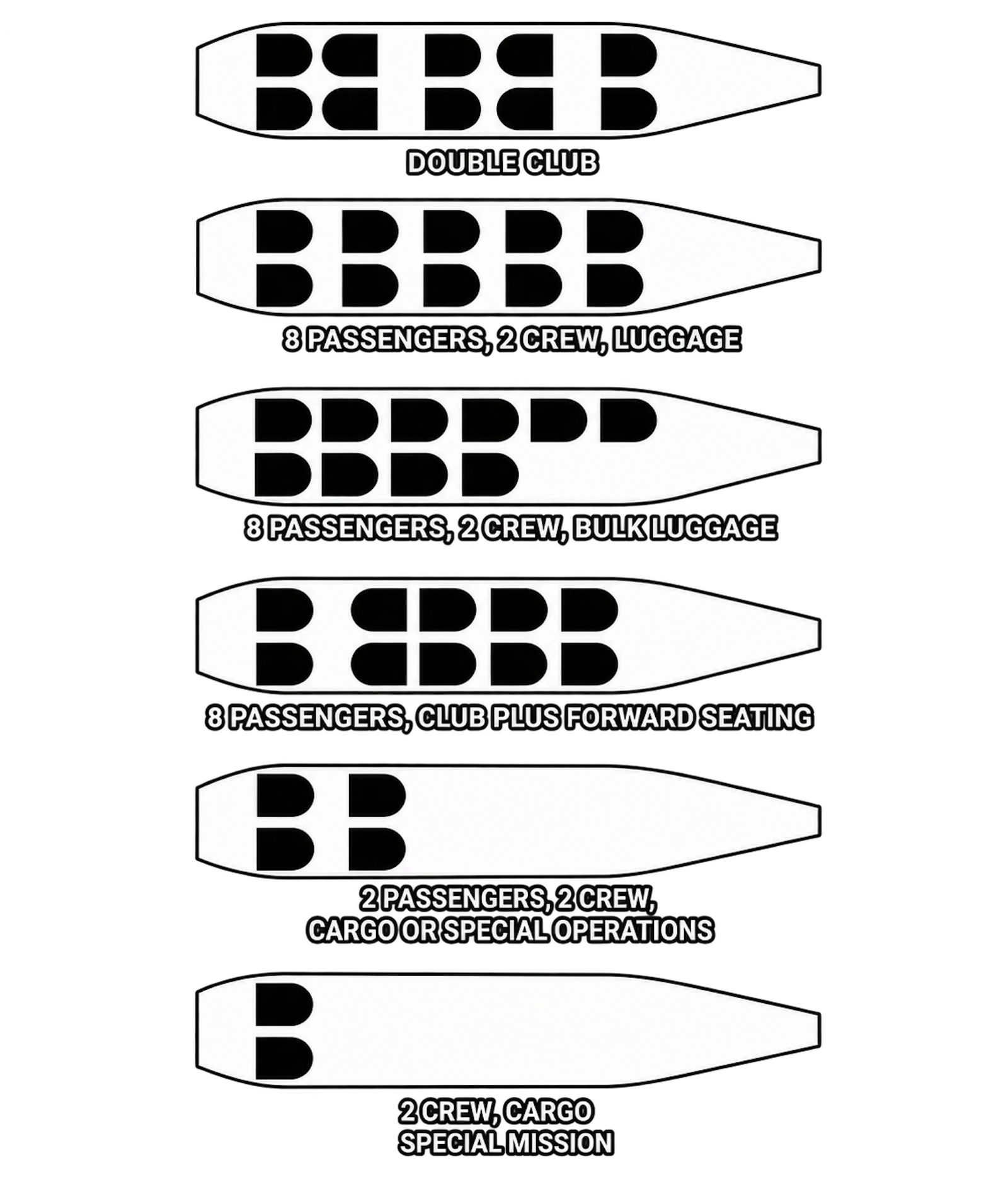
The longer cabin also allows for different seating arrangements, including a double-club configuration.
Another interesting thing Jeff mentioned is that the Kodiak 900 uses the same basic wing as the Kodiak 100 and carries the same amount of fuel.
The 900 is faster, but it still maintains much of the short-field capability that makes the Kodiak 100 so useful.
Can the Kodiak 900 Operate From Grass Runways?
Yes. Even though the Kodiak 900 is designed with more speed and passenger comfort in mind, it can still operate from suitable grass and unimproved runways.
During our departure, we were airborne after approximately 1,000 feet of runway.
That’s just what we observed on this particular flight, not a takeoff distance you should use for planning. Actual performance depends on weight, weather, runway conditions, and several other factors.
It’s pretty interesting to see an airplane with this much cabin space and a cruise speed around 200 knots still have that kind of runway flexibility.

A Look at the Garmin Weather Radar
Another thing Jeff demonstrated was the Garmin GWX 8000 weather radar.
We had some weather in the area, so he switched the radar into automatic mode and showed how it scans ahead of the airplane.
Rather than manually adjusting the radar to look at different areas, the system automatically scans to help build a picture of the weather ahead.
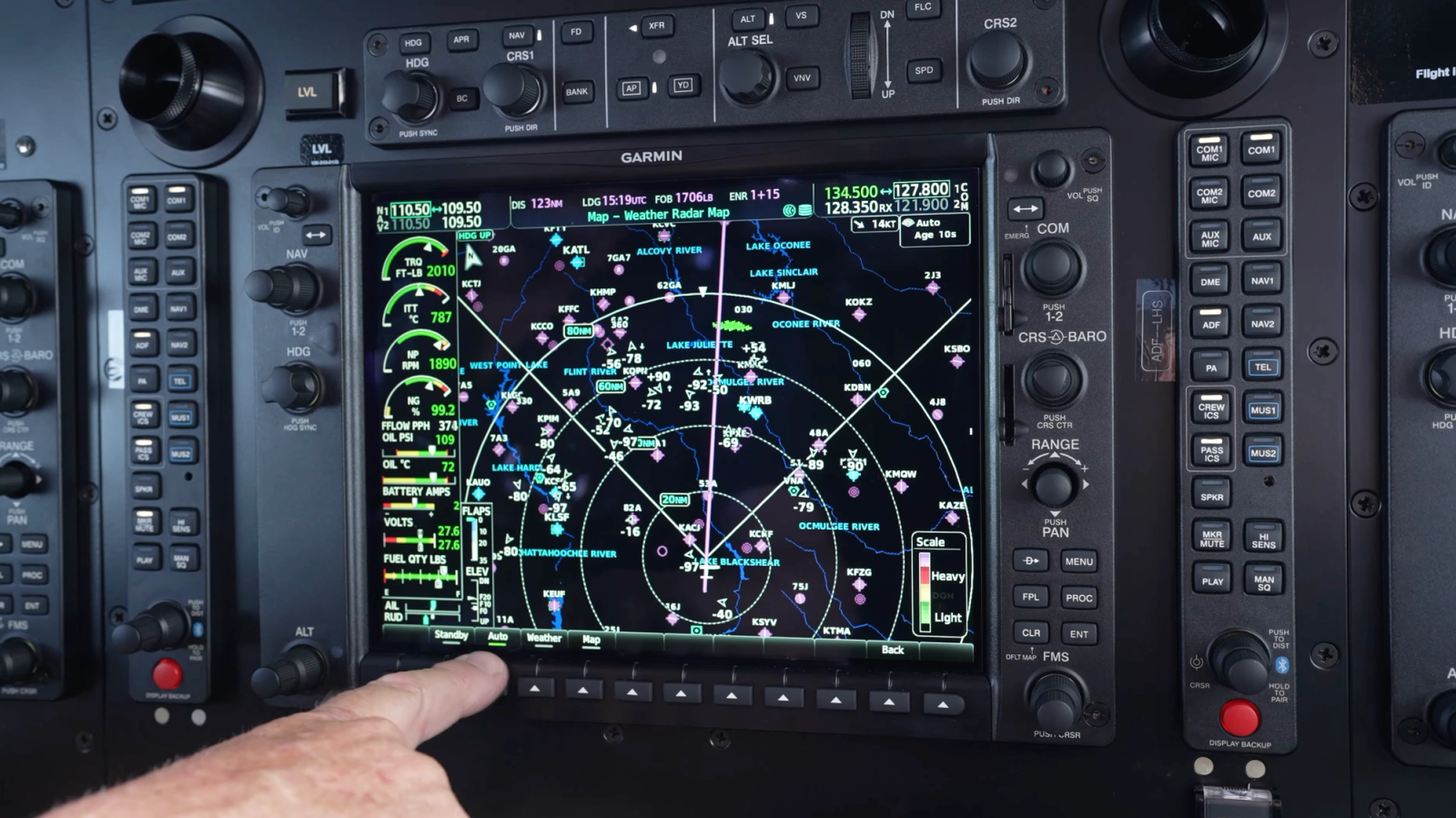
For someone flying IFR regularly, having that additional weather information available in the cockpit can be a big help.

What I Took Away From the Flight
What stood out to me was how many different jobs the Kodiak 900 can handle.
You have an airplane that can cruise around 200 knots, carry a good amount of people and baggage, and still get into airports with relatively short runways.
On our trip, we flew from Tallahassee to Knoxville, dropped off a pilot, grabbed lunch, and headed back home. We spent about four hours in the air.
It’s the kind of trip that shows why someone might choose the Kodiak 900. It has the speed to make regional trips practical without giving up the versatility the Kodiak is known for.
If you’re considering a Kodiak 900 or comparing it with a Kodiak 100, we’d be happy to talk through the differences and help you figure out which one makes more sense for the kind of flying you do.
Watch our full Kodiak 900 flight below.